BDC
The lead came in at 9:14 PM. You called at 11 the next morning.
Nobody did anything wrong, exactly. Every step made sense on its own. Together they cost you the deal. What slows the first call down, and how fast teams beat it.
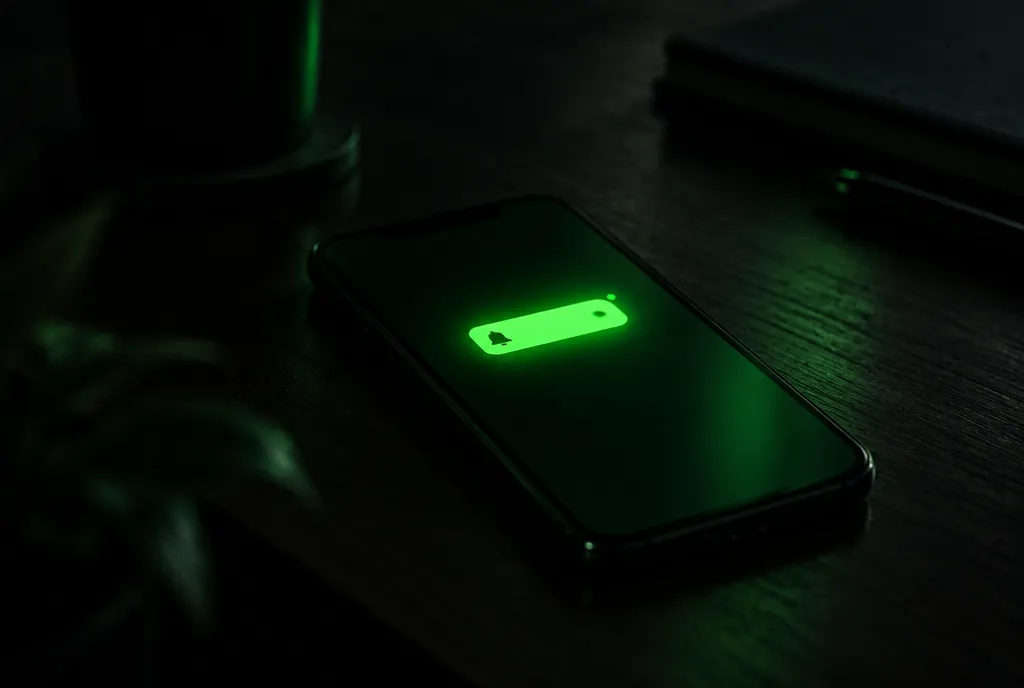
A customer fills out a form at 9:14 on a Tuesday night. They’re on the couch. They just watched a review of the truck. They want to know if you have it in gray.
By the time someone calls them, it’s 11 the next morning, and they’ve already heard from two other stores. One of them sent a video.
Nobody at your store did anything wrong, exactly. The lead came in after close. The BDC had a stack from the weekend. The rep who got it was with a customer. Every step made sense on its own. Together they cost you the deal.
The research is old and still holds up
In 2011, Harvard Business Review published a study of how fast companies respond to web leads. The researchers found that firms that tried to reach a lead within an hour were nearly seven times as likely to have a meaningful conversation with a decision maker as firms that waited even one more hour. In a separate audit of more than 2,000 companies, the average response time among those that answered at all was 42 hours, and nearly a quarter never answered.
That wasn’t a car study, and it’s fifteen years old. But if you’ve ever secret-shopped your own store, the numbers probably don’t shock you.
Two kinds of slow
When the first call is late, it’s rarely laziness. It’s usually one of two things.
The first is the queue. The lead gets assigned by round robin, or by who’s up, or by whoever logs in first. Somebody has to notice it before anybody can call it, and after-hours leads wait for a morning that has its own fires.
The second gets overlooked: the rep doesn’t want to call cold. Your salesperson opens the lead and sees a name, a phone number and “2024 Tacoma.” So they go digging. Is this person in the CRM already? Did they buy here before? Did they call last week? Ten minutes of clicking later, the phone still hasn’t rung. The reps who skip the digging end up on the phone with someone they know nothing about, asking questions the customer already answered on the form.
Fast and prepared aren’t opposites
Most stores treat this as a trade-off: call fast and wing it, or do your homework and call late. That trade-off is the actual problem to solve.
The best salespeople you’ve worked with did both. They’d glance at the lead, remember the customer from a test drive last spring and open with something real: “Hey, you drove the CR-V with your sister back in April, right? Still thinking about it?” That isn’t a script. It’s someone who knows people, and it works because the customer feels recognized instead of processed.
Now picture that rep on their day off. Or picture the person who started three weeks ago.
What fast teams do
A few habits show up again and again on teams that win the first hour.
- They decide who owns a new lead before it arrives. No sorting, no “is this yours or mine.” The lead lands and someone already knows it’s theirs.
- They read the form, every field. The customer typed something in that comments box for a reason. Answering it in the first ten seconds of the call is the easiest win in the building.
- They open with a reason, not a pitch. “You asked about towing” beats “Thanks for your interest in our dealership” every time.
- They pair the voicemail with a text that says something specific. “The gray one’s on the lot, want a photo?” gets a reply. “Just following up!” doesn’t.
- They don’t wait for the perfect moment. A good-enough call at minute twelve beats a great call tomorrow.
The part that’s still on you
No software fixes a store where nobody owns the lead. Set the rule, make it clear who calls and how fast, and then give that person what they need to sound like they’ve known the customer for years.
That second half is where HeyG comes in. When a lead lands, HeyG gathers what your store already knows about that person into one profile, with an opening built around what they asked about. The rep reads it in seconds and dials. How much it can pull in depends on the systems you connect, so we’ll show you what that looks like with yours.
Speed gets you on the phone. The first ten seconds decide whether they show up on Saturday.