Sales
“Do you work with okay credit?” isn’t a finance question
By the time a customer asks about credit, they’ve usually been working up to it. The first minute of your answer decides whether they ever walk in.
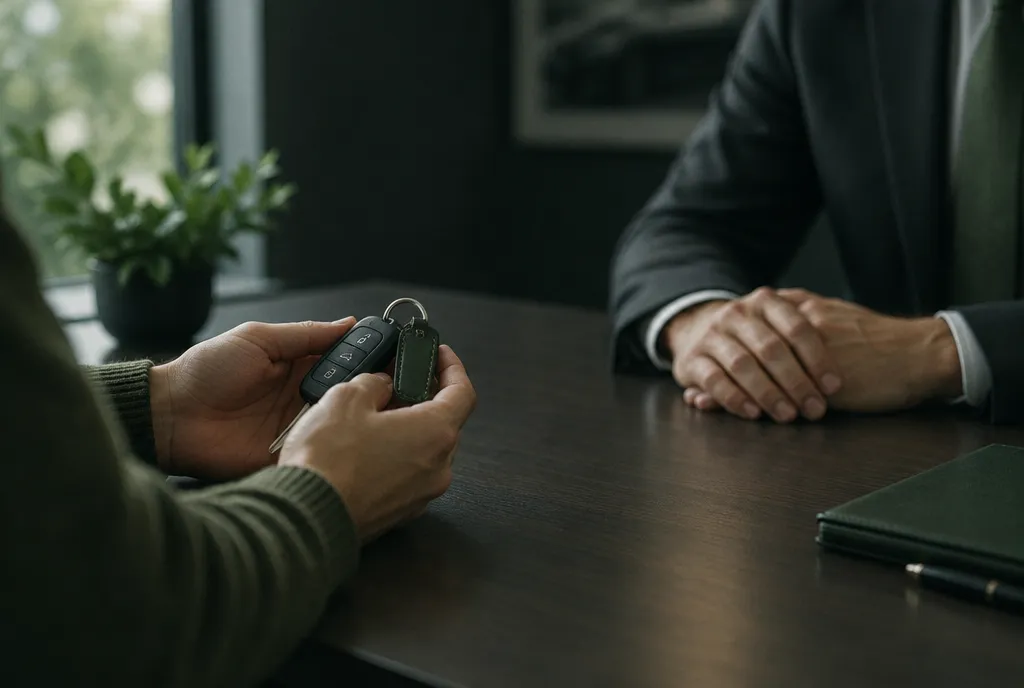
“Do you guys work with okay credit?”
When a customer asks that, they’ve usually been working up to it. Maybe they got turned down somewhere. Maybe a store treated them like a problem. Maybe they just don’t know where they stand and they’re scared of finding out in front of a stranger.
On the surface it’s a question about lenders. Underneath, it’s three other questions: Are you going to judge me? Am I wasting my time? Is this going to be humiliating? Answer those, and the lender question takes care of itself.
The first minute
The answer that works isn’t a rundown of programs. It’s calm, and it moves the conversation back to the customer. “Yes, absolutely. We help people in all kinds of situations. Let’s start with what you need the car for.”
That last sentence is doing the heavy lifting. You didn’t make their credit the main event. You made them the main event, and their credit became one part of a plan instead of a verdict.
From there, keep the pace theirs. Talk about the vehicle and the life it has to fit: a reliable commute, room for the kids, something that won’t leave them stranded. When the car fits their life, the money conversation feels like problem-solving instead of an audition.
Four ways it goes sideways
Rushing to the numbers. Asking for a down payment in the first two minutes, or pushing an application before they trust you, feels like pressure. Pressure is exactly what they came in dreading.
Overpromising. “Don’t worry, we’ll get you approved.” You can’t know that, and when it doesn’t happen you lose the customer and they lose a little more faith in car stores. Be honest about the process instead: “I can’t promise anything until we see the options, but I’ll walk you through all of it.”
Getting weird about it. Some reps go stiff or overly careful, and the customer reads that as discomfort. Be normal. Plenty of people are in this spot.
Forcing a phone call. If they asked by text, answer by text. They were brave enough to type it. Don’t make them say it out loud before they’re ready.
Words that help, words that hurt
Small word choices carry a lot of weight in this conversation.
| Instead of | Try |
|---|---|
| “Bad credit” | “Where things stand right now” |
| “Special finance” | “Let’s look at your options” |
| “We get everybody approved” | “We work with a lot of lenders, and we’ll see what fits” |
| “What’s your score?” | “Do you have a sense of where your credit is? No worries if not.” |
None of this is about being soft. It’s about being accurate and kind at the same time. Customers can tell the difference between a salesperson who’s handling them and one who’s helping them.
Be clear about what happens next
People relax when they know what’s coming. If finance takes it from here, say so, and say what that involves. “Next, you’d sit down with Dana in finance. She’ll go through options with you, and nothing’s decided until you’re comfortable.”
Then follow up the way you would with anyone else: quickly and personally. A lot of these customers expect to get dropped after the credit conversation. Not dropping them is one of the easiest ways to stand out.
For managers
Listen to how your team talks about these customers when they’re not in the room. If there’s eye-rolling, it will leak into the calls.
Role-play this one on purpose. It’s one of the hardest conversations on the floor to get right and one of the easiest to make worse with a single word. And it’s worth the practice: customers remember who treated them with respect when they didn’t have to. Those are the ones who come back, and the ones who send their cousins.