Service
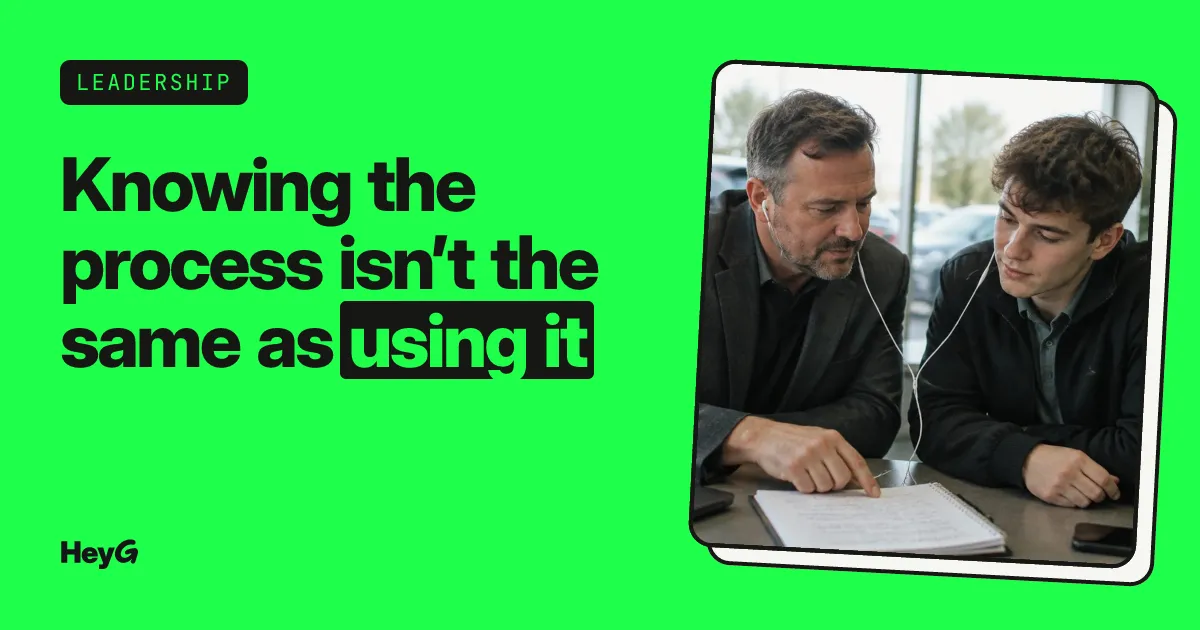
Sending the video isn’t the same as explaining it
Inspection videos, recommendation lists and approval links are everywhere now. Customers still call back asking what they’re looking at. Here’s how to close that gap.

A customer opens a text from your service department between two meetings. There’s a video, a list of recommendations and a button to approve the work.
Your store has sent plenty of information. The customer still doesn’t know what to do. What am I looking at? How does that connect to the price? What happens if I wait? Can somebody explain this without making me feel like I should already know?
That’s the gap this piece is about. A service team can do careful work, document every finding and communicate promptly, and still leave the customer confused. More information doesn’t automatically produce more understanding. Sometimes it produces a longer list of things to be confused about.
The customer’s first question isn’t an objection
When a customer calls back and says, “Can you help me understand why?”, it’s tempting to hear pushback. Usually it’s the start of an informed decision, and the question the original message should have answered.
A recommendation is easy to follow when it connects five things in order:
- What the tech saw. The observation, in their documented words.
- What it means. In language the customer uses, not the shop’s.
- What we recommend, and why.
- What they need to decide. Cost, timing and any real options.
- Who to ask. A name and a way to reach them before they choose.
The technician’s findings stay the foundation. A clearer explanation should never add a diagnosis, invent urgency or make an uncertain recommendation sound more certain than it is. Plain language isn’t a watered-down version of expertise. It’s how expertise becomes useful to somebody who doesn’t share it.
A video shows the evidence. Somebody still has to explain it.
Video is genuinely useful in service. It gives customers a view they’d never get otherwise. But showing and explaining are different jobs.
A tech knows exactly what a close-up of a worn component means. The customer watching on a phone, sound off, in a parking lot, may not know where to look. So start with one question: what should the customer understand after watching this? Then shape everything around it. Say what the clip shows. Connect it to the specific recommendation. Make it easy to ask about that exact point.
The written message has a job too. Someone who can’t play audio needs enough context to get the point. Someone who watched it earlier wants a two-line reminder before calling back. And someone who’d rather talk shouldn’t have to finish a video before getting a person.
The real test is to read your own message on a phone, as the customer. Does it say what the clip is about? Can you match the clip to the right recommendation? Is the next step obvious? Is there a clear way to reach a human? If the video says one thing and the text implies something broader, you’ve handed the customer a contradiction they aren’t equipped to resolve.
Help the advisor prepare, not disappear
Service advisors run several conversations at once. One customer needs an update, another needs an explanation, a tech has new information and someone is standing at the counter. Anything that helps them prepare clearer explanations faster is worth looking at, whether that’s a template, a checklist or software that drafts from the tech’s notes.
Just keep preparation and judgment separate. Preparation is pulling the information together, simplifying wording and noting what the customer already asked. Judgment is deciding what the findings support, confirming answers and knowing when a question needs a qualified person. A fluent draft is not a finished conversation. If the source notes are incomplete, the right move is to clarify, not to write a more persuasive sentence.
The customer should never have to figure out which system wrote which sentence. They should know who’s helping them and how to reach that person.
The decision belongs to the customer
Understanding the recommendation is half of it. The other half is what happens after.
A customer might approve the work, ask a question, want to talk about options, need to check with someone at home, or decline. Those are different outcomes with different next steps. If someone asks for a call before deciding, another approval link doesn’t answer them. The call does, with enough context that they don’t have to repeat the question.
Make that visible in the request itself. Be clear about exactly what they’re authorizing, what’s still unresolved and how to get help. Silence should never feel like agreement, and asking a question should never feel like friction.
Try it on one repair order
Pick a recent repair order with a video and a recommendation. Read the message, watch the clip and look at the follow-up as if you knew nothing about cars. Where would you need help? Where is something missing? Where are you being asked to decide before the explanation is clear?
Those spots are your best opportunities, and fixing them comes before sending anyone another message.